
The Evolution of PlayStation: Console Prices Through the Years
Explore the history of PlayStation console prices from the PS1 to PS5 and how gaming costs have evolved over the years. Discover why it matters and what happens
- BackZee
- 5 min read
TL;DR 🚀
Make sure to check our deep dive on why this matters.
- PlayStation consoles have seen significant price changes since the PS1.
- The cost of gaming has fluctuated, impacting consumer choices.
- Understanding these trends helps gamers budget for future consoles.
- The introduction of new technologies often correlates with price increases.
- Future pricing strategies will likely reflect both consumer expectations and economic factors.
The journey of PlayStation consoles from the original PS1 to the latest PS5 reveals a fascinating narrative about gaming costs over the decades. This exploration not only highlights the financial evolution of these iconic devices but also provides insight into how gaming has become a staple in entertainment.
The Rise of PlayStation 🎮
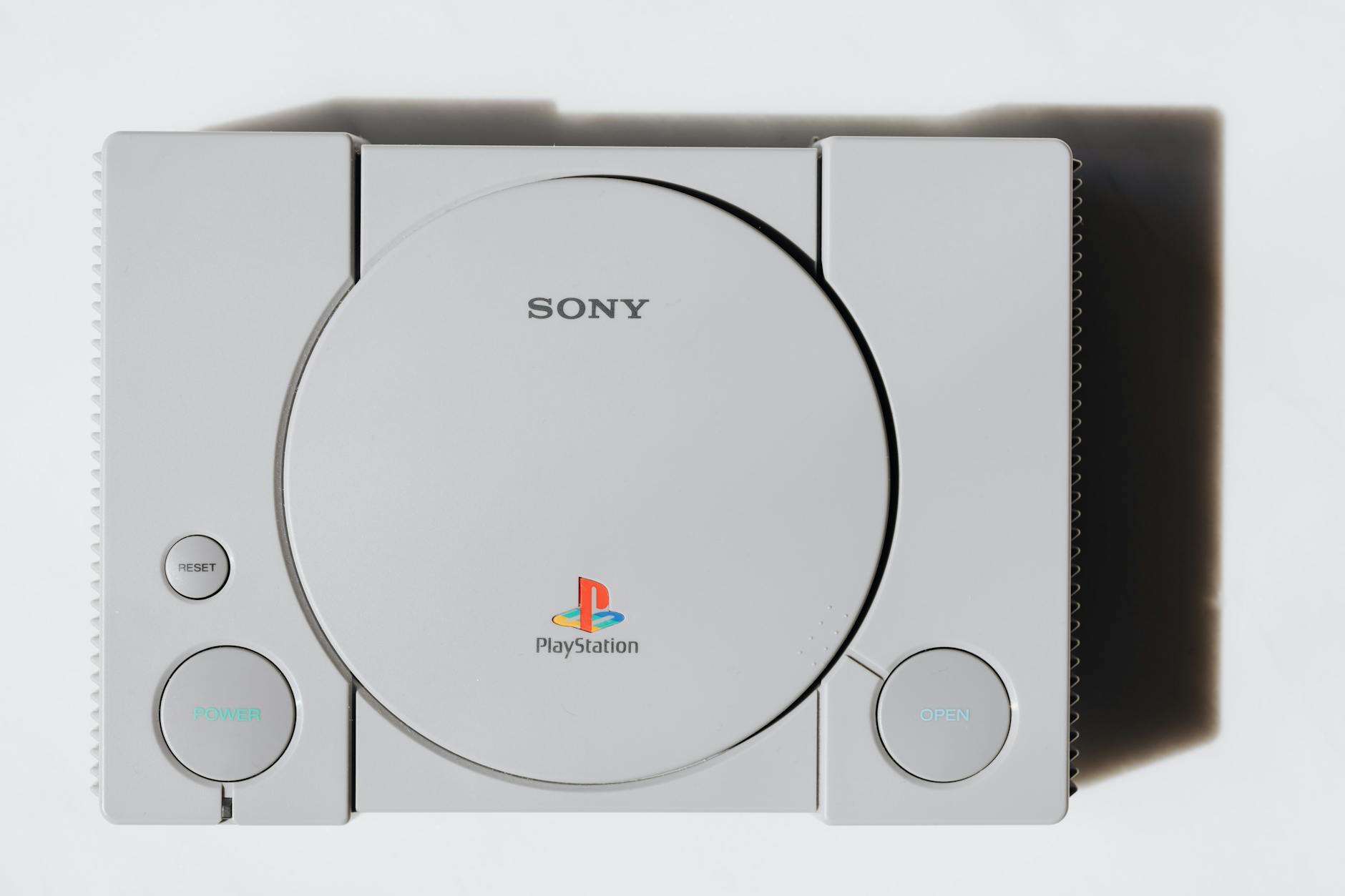
When the PlayStation 1 launched in 1994, it marked a revolution in gaming. Priced at approximately $299, it was a game-changer in the industry. The PS1 introduced 3D graphics and CD-ROM technology, which significantly enhanced the gaming experience. This shift from cartridges to CDs allowed for larger game worlds and more complex narratives, setting a new standard for what players could expect.
As the years progressed, each new console brought its own pricing strategy. For instance, the PlayStation 2 debuted in 2000 at a similar price point but quickly became a bestseller, partly due to its DVD playback capabilities. This feature made it not just a gaming console but also a home entertainment system, appealing to a broader audience. In fact, the PS2 sold over 155 million units worldwide, making it the best-selling console of all time.
- PS1 (1994): $299
- PS2 (2000): $299
Transitioning to Next-Gen Consoles 📈
The PlayStation 3, released in 2006, took a bold leap with its pricing, starting at $499 for the basic model and $599 for the premium version. This increase was attributed to its advanced technology, including Blu-ray support and online gaming capabilities. However, the high price tag led to mixed reactions from consumers, prompting Sony to adjust its strategy. Sales initially lagged behind competitors like the Xbox 360, which had a more attractive price point.
In contrast, the PlayStation 4, which launched in 2013, returned to a more consumer-friendly price of $399. This shift reflected a growing understanding of market demands and the competitive landscape. The PS4’s success can be attributed to its affordable pricing and a strong lineup of exclusive games, making it a favorite among gamers. By 2020, the PS4 had sold over 116 million units, solidifying its place in gaming history.
- PS3 (2006): $499-$599
- PS4 (2013): $399
Quick Takeaways 📌
- The PS3’s high launch price was controversial and led to initial sales struggles.
- The PS4’s pricing strategy was more aligned with consumer expectations, leading to its success.
- Each console’s price reflects technological advancements and market trends, influencing consumer behavior.
The Current Landscape: PS5 and Beyond 🌟
Fast forward to 2020, the PlayStation 5 hit the market with a starting price of $499 for the standard edition and $399 for the digital edition. This pricing strategy aimed to balance cutting-edge technology with consumer affordability. The PS5 features lightning-fast loading times and stunning graphics, powered by its custom SSD and advanced GPU architecture, which justify its price point in the eyes of many gamers.
The PS5 also introduced features like haptic feedback and adaptive triggers, enhancing the gaming experience further. Despite initial supply shortages, the PS5 quickly gained traction, selling over 30 million units within its first two years, showcasing the enduring popularity of the PlayStation brand.
As we look ahead, the question remains: how will future consoles be priced? With the gaming industry constantly evolving, factors such as inflation, technological advancements, and consumer expectations will play critical roles in shaping the cost of upcoming consoles. Historical trends suggest that as new technologies emerge, prices may rise, but competitive pressures may also lead companies to adopt more strategic pricing to maintain market share.
For a deeper dive into the evolution of gaming costs, check out our article on /posts/gaming-costs-evolution.
Quick Takeaways 📌
- PS5 launched at $499 (standard) and $399 (digital), reflecting a balance of technology and affordability.
- Future console prices will be influenced by various economic factors, including inflation and production costs.
- Technological advancements continue to shape consumer expectations, impacting pricing strategies.
FAQ ❔
What factors influence the price of gaming consoles?
The price of gaming consoles is influenced by several factors, including production costs, technological advancements, and market competition. Additionally, consumer demand and the availability of exclusive games can also impact pricing strategies. For example, the introduction of new technologies like VR capabilities or cloud gaming features can lead to increased production costs, which may be passed on to consumers.
How have gaming costs changed over the years?
Gaming costs have fluctuated significantly, with earlier consoles being more affordable compared to some of the latest models. As technology has advanced, the prices have generally increased, reflecting the enhanced gaming experiences offered by newer consoles. For instance, while the PS1 and PS2 were priced around $299, the PS3 and PS5 reflect the rising costs associated with advanced technology and production.
Will future consoles be more expensive?
It’s difficult to predict definitively, but future consoles may see price increases due to rising production costs and technological advancements. However, companies may also seek to keep prices competitive to attract a broader audience, making it a balancing act for manufacturers. The gaming market is highly dynamic, and consumer preferences will continue to shape pricing strategies in the years to come.