
Why the Dreamcast's VMU Was a Game-Changer in Gaming History
Discover how the Dreamcast's VMU revolutionized memory cards with unique features and mini-games, setting a new standard in gaming tech. Discover why it matters
- BackZee
- 5 min read
TL;DR 🚀
- The VMU introduced mini-games and additional features, enhancing player engagement.
- It was more than just a memory card; it was a handheld device with its own screen.
- The Dreamcast set a new standard for gaming accessories, influencing future innovations.
- Despite its commercial struggles, the VMU’s legacy continues to inspire modern gaming technology.
- The VMU showcased the potential for integrating hardware and software in unique ways.
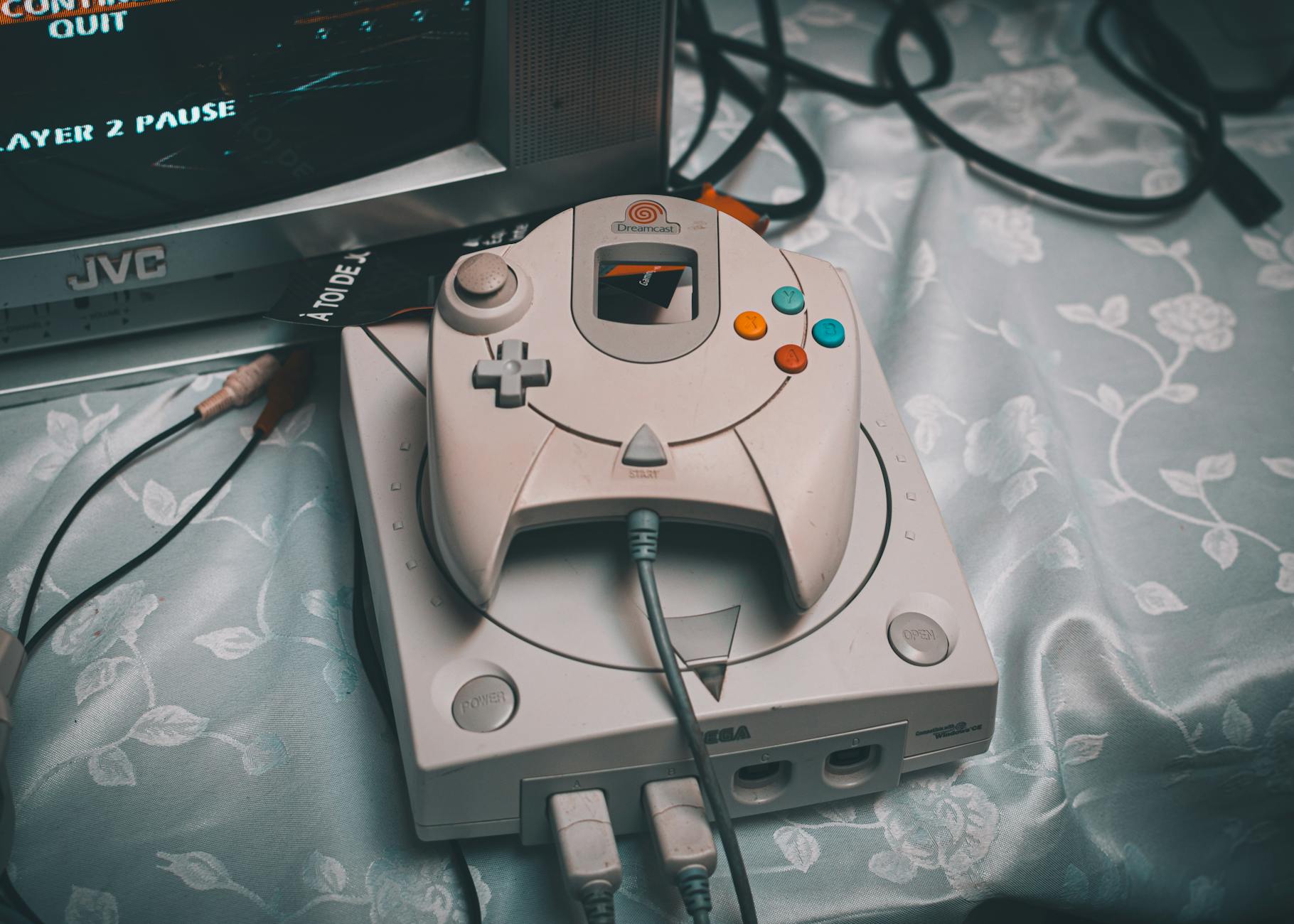
The Dreamcast’s Visual Memory Unit (VMU) was a revolutionary accessory that changed the way players interacted with their games. Unlike typical memory cards of its time, the VMU offered a unique blend of storage and gameplay features that made it a standout device in gaming history.
The VMU: A Unique Gaming Accessory 🎮
The VMU was not just a simple storage solution; it was a mini-console in its own right. With a small screen and buttons, players could engage in mini-games and manage their game data directly from the device. This functionality allowed gamers to check their progress without needing to boot up the console, making it a convenient and innovative tool.
For example, while waiting for a game to load, players could engage in a simple mini-game like “Chao Adventure,” where they could raise and train virtual pets. This feature not only kept players entertained but also created a sense of connection to their main game, as the Chao could be transferred back and forth between the VMU and the Dreamcast.
Additionally, the VMU featured a vibration function that enhanced gameplay experiences, providing feedback during critical moments. Players could even use it to unlock hidden features in certain games, making it a must-have accessory for Dreamcast enthusiasts. The combination of these features made the VMU a precursor to many modern gaming devices that prioritize interactivity and user engagement.
How the VMU Stood Out Among Competitors 🌟
During the era of 32, 64, and 128-bit consoles, memory cards were essential for saving game progress. However, the Dreamcast took this concept to a whole new level. While competitors like the PlayStation and GameCube offered basic memory cards, the VMU’s dual functionality as a gaming device and storage unit was unprecedented.
For instance, the VMU allowed players to play mini-games while waiting for their main game to load. This feature not only kept players engaged but also showcased the potential of integrating hardware and software in innovative ways. The VMU was a glimpse into the future of gaming accessories, blending functionality with entertainment.
Moreover, the VMU’s design was compact and portable, allowing players to take their game data and mini-games on the go. This portability was a significant advantage, especially in an era when mobile gaming was still in its infancy. The ability to carry a piece of the gaming experience in your pocket was revolutionary and set the stage for future handheld gaming devices.
Quick Takeaways 📌
- The VMU was a pioneering device in gaming technology, blending storage and gameplay.
- It combined storage capabilities with interactive gameplay, enhancing player engagement.
- The Dreamcast’s approach influenced future gaming accessories, paving the way for innovations like the Nintendo Switch’s touchscreen capabilities.
- The VMU’s legacy continues to inspire modern gaming technology, emphasizing the importance of interactivity.
The Legacy of the VMU and Dreamcast 🎉
The Dreamcast may not have achieved the same commercial success as its competitors, but its legacy lives on through innovations like the VMU. This device paved the way for future gaming peripherals that sought to enhance player interaction and engagement. The VMU’s unique features have inspired modern gaming accessories, proving that sometimes, being ahead of your time can leave a lasting impact.
In retrospect, the VMU can be seen as a precursor to the modern gaming landscape, where accessories like the Nintendo Switch Pro Controller and PlayStation’s DualSense controller incorporate advanced features such as haptic feedback and motion controls. The VMU’s innovative spirit continues to resonate in the gaming industry, reminding developers and players alike of the importance of creativity and functionality.
For more on how gaming technology has evolved, check out our post on the history of gaming peripherals.
FAQ ❔
What was the main function of the VMU?
The VMU served as both a memory card and a mini-console, allowing players to save game data and play mini-games on the go. It was a unique blend of storage and interactive gameplay.
How did the VMU enhance gameplay?
It provided additional features like a vibration function and the ability to unlock hidden content, making gaming more interactive. The mini-games offered players a way to engage with their games even when they weren’t actively playing.
Why is the Dreamcast considered innovative?
The Dreamcast introduced unique accessories like the VMU that combined storage and gameplay, setting new standards for future gaming technology. Its approach to interactivity and user engagement was groundbreaking for its time.
Were there any notable games that utilized the VMU’s features?
Yes, several games took advantage of the VMU’s capabilities, including “Sonic Adventure,” where players could raise and train their Chao, and “Shenmue,” which used the VMU for saving progress and accessing additional content.
How did the VMU influence modern gaming?
The VMU’s integration of gameplay and storage paved the way for future gaming accessories that prioritize user interaction, such as touchscreens and motion controls in modern consoles. Its legacy is evident in the design and functionality of contemporary gaming devices.