
Assassin's Creed Valhalla: A Viking Epic or a Flawed Giant?
Assassin's Creed Valhalla sparks debate for its immersive world and storytelling but faces backlash for its excessive length. Discover why it matters and what h
- BackZee
- 5 min read
TL;DR 🚀
Make sure to check our deep dive on why this matters.
- Assassin’s Creed Valhalla receives mixed reviews from players and critics.
- Praised for its immersive atmosphere and narrative depth.
- Criticized for its lengthy gameplay and pacing issues.
- The game reflects a growing trend in RPGs towards expansive worlds and complex narratives.
- Community opinions highlight a divide between players who enjoy lengthy content and those who prefer concise storytelling.
Assassin’s Creed Valhalla has made waves in the gaming community, igniting discussions about its merits and flaws. As an ambitious Viking RPG from Ubisoft, it has captivated many with its rich storytelling and expansive world, but not without drawing criticism for its excessive length. This article delves deeper into the game’s strengths and weaknesses, exploring how it fits into the broader landscape of modern gaming.
A Viking Saga Awaits ⚔️
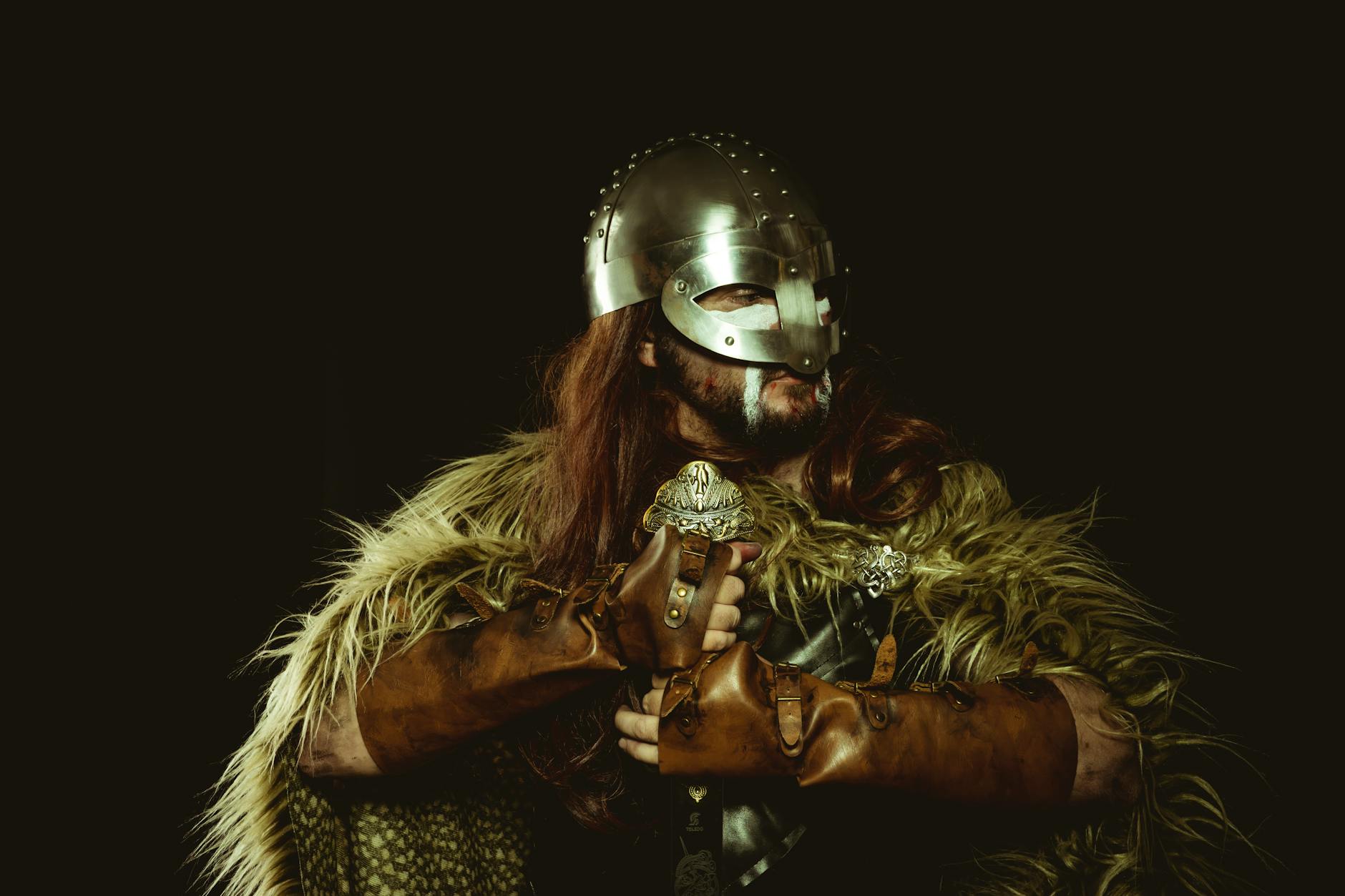
Upon its release, Assassin’s Creed Valhalla entered a cultural landscape ripe with Viking themes. The fascination with Norse mythology was at an all-time high, fueled by popular TV shows like Vikings and films such as Thor. Players were eager to dive into a world filled with epic battles, exploration, and intriguing characters. The game taps into this zeitgeist, allowing players to embody a Viking raider, Eivor, as they navigate the tumultuous landscape of 9th-century England.
The game’s atmosphere is one of its standout features. From the lush landscapes of England to the rugged fjords of Norway, Valhalla immerses players in a visually stunning environment. The attention to detail in the world-building is commendable, with dynamic weather systems and day-night cycles that enhance immersion. For instance, players can witness the Northern Lights while exploring the vast wilderness, a breathtaking sight that adds to the game’s allure. However, this vastness comes at a cost; some players feel that the game’s length detracts from the overall experience, leading to fatigue rather than excitement.
Narrative Depth vs. Pacing Issues 📖
Valhalla’s narrative is another point of contention. Many players have praised the storytelling, which weaves together historical events with fictional elements. The character arcs are engaging, and the choices players make can significantly impact the outcome of the story. For example, players can choose to forge alliances or betray them, leading to different endings that reflect their decisions. Yet, this depth often leads to a pacing problem, with some quests feeling unnecessarily drawn out.
The game’s side quests and activities can feel overwhelming, leading to a sense of fatigue. While exploration is encouraged, the sheer volume of content can make it challenging to stay focused on the main storyline. Players have reported spending upwards of 100 hours to complete the game, which raises the question: how much content is too much? This has led some players to question whether the game is a masterpiece or a giant with clay feet.
Quick Takeaways 📌
- Valhalla offers a rich Viking experience with stunning visuals.
- The narrative is engaging but suffers from pacing issues.
- Side quests can overwhelm players, impacting the main story’s flow.
- The game reflects a trend towards expansive RPGs, raising questions about content balance.
- Player experiences vary widely, highlighting differing expectations within the gaming community.
The Community’s Divide 🌍
The reception of Assassin’s Creed Valhalla has been polarized. Some players laud it as a triumph of RPG design, while others criticize it for its excessive length and pacing. This divide highlights the varying expectations within the gaming community. For those who appreciate a sprawling adventure, Valhalla may be a dream come true. However, for players seeking a more concise experience, it can feel like a slog.
In terms of sales, Valhalla has performed exceptionally well, reportedly selling over 10 million copies within its first month, making it one of the fastest-selling titles in the franchise. This commercial success suggests that many players are willing to embrace the lengthy gameplay, even if it comes with its drawbacks. The game’s ambition is undeniable, and it has certainly pushed the boundaries of what players expect from an RPG. Yet, as with any ambitious project, it raises questions about balance and focus. How much content is too much? This is a debate that will likely continue as players share their experiences.
FAQ ❔
What makes Assassin’s Creed Valhalla stand out?
Valhalla is notable for its immersive world, engaging narrative, and the ability to make impactful choices that affect the storyline. The game also features a rich array of side activities, from raiding to settlement building, which enhances the overall experience.
Are there significant pacing issues in the game?
Yes, many players have reported that the game can feel overly long, with side quests and activities that detract from the main narrative. The pacing issues can lead to a sense of fatigue, making it difficult to stay engaged with the central storyline.
How does Valhalla compare to previous Assassin’s Creed games?
While Valhalla builds on the series’ legacy with its RPG elements and expansive world, it also introduces new challenges, particularly in pacing and content management. Compared to its predecessors, it offers a more open-world experience, but this can come at the expense of narrative focus.
What are some cultural insights related to the game’s themes?
Valhalla taps into a growing fascination with Norse mythology and Viking culture, which has seen a resurgence in popular media. The game explores themes of conquest, loyalty, and identity, reflecting the complexities of Viking society and its interactions with other cultures.
In conclusion, Assassin’s Creed Valhalla is a game that embodies the spirit of Viking exploration and adventure. Its rich storytelling and beautifully crafted world have won over many fans, but its lengthy gameplay and pacing issues have sparked a debate that reflects the diverse tastes of the gaming community. Whether it stands as a monumental achievement or a flawed giant ultimately depends on the player’s perspective. As the gaming landscape continues to evolve, Valhalla serves as both a testament to the potential of RPGs and a cautionary tale about the balance between ambition and execution.