
Tesla's Humanoid Robot Masters Kung Fu Techniques
Tesla's humanoid robot has been trained in kung fu, showcasing advanced AI capabilities and martial arts skills. Discover why it matters for Gen-Z readers.
- BackZee
- 5 min read
TL;DR 🚀
Make sure to check our deep dive on why this matters.
- Tesla’s humanoid robot has learned kung fu techniques.
- This development highlights advancements in AI and robotics.
- The robot’s skills could have various practical applications.
- Ethical considerations are crucial as robotics technology evolves.
- The integration of martial arts training in robots opens new avenues for human-robot interaction.
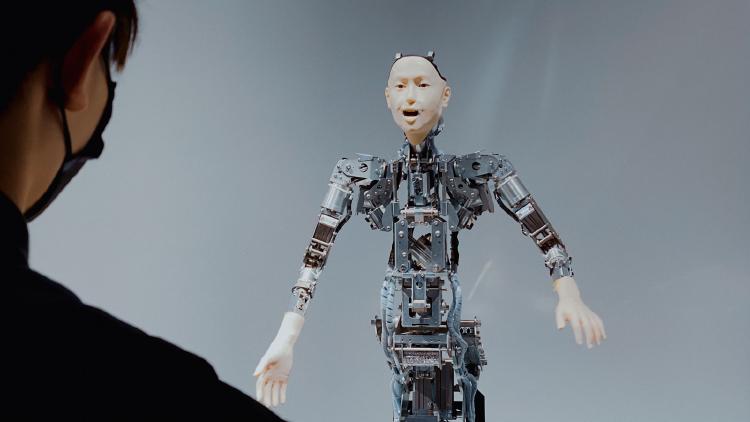
Tesla is making waves in the tech world with its latest innovation: a humanoid robot that has been trained in kung fu. This groundbreaking achievement not only showcases Tesla’s commitment to pushing the boundaries of artificial intelligence but also opens up exciting possibilities for the future of robotics. As the world witnesses the fusion of martial arts and technology, we are left to ponder the implications of such advancements.
The Rise of Humanoid Robots 🤖
In recent years, humanoid robots have gained significant attention for their potential to revolutionize various industries. According to a report by the International Federation of Robotics, the market for service robots is expected to grow to $23 billion by 2025. Tesla’s latest creation is a testament to this trend, as it combines advanced AI with martial arts training. The robot’s ability to perform kung fu techniques demonstrates a leap forward in robotic agility and precision.
Training a robot in martial arts involves more than just programming movements; it requires a deep understanding of balance, timing, and coordination. Tesla’s engineers have utilized machine learning algorithms to enable the robot to learn from its environment and refine its skills. This approach not only enhances the robot’s performance but also allows it to adapt to new challenges, making it a versatile tool in various applications.
Key Features of Tesla’s Robot
- Agility: The robot can execute complex movements with grace, mimicking the fluidity of a skilled martial artist.
- Adaptability: It learns and improves through experience, allowing it to adjust its techniques based on real-time feedback.
- Precision: Each technique is performed with accuracy, showcasing the robot’s advanced sensory capabilities.
Implications for the Future 🌍
The implications of a kung fu-trained humanoid robot extend beyond entertainment. As robotics technology continues to evolve, we can expect to see these machines integrated into various sectors, including healthcare, security, and even personal assistance. For instance, a robot with martial arts skills could be employed in self-defense training, providing a safe and controlled environment for individuals to learn techniques without the risk of injury.
Moreover, the development of such advanced robots raises important questions about the ethical use of AI. As these machines become more capable, society must consider the implications of their deployment in sensitive areas. Will we see robots taking on roles traditionally held by humans? The conversation around AI ethics is becoming increasingly relevant as technology advances. For example, the potential for robots to assist in law enforcement or military operations could lead to debates over accountability and decision-making in life-threatening situations.
Cultural Insights
The integration of martial arts into robotics also highlights a cultural intersection. Kung fu, with its rich history and philosophy, is not just a physical discipline but also a way of life for many practitioners. By training a robot in kung fu, Tesla is not only showcasing technical prowess but also paying homage to the cultural significance of martial arts. This could lead to a broader acceptance of robots in societies where martial arts are revered, potentially easing fears about AI and robotics.
Quick Takeaways 📌
- Tesla’s humanoid robot showcases advanced martial arts skills, emphasizing the fusion of culture and technology.
- The robot’s training highlights the potential for AI in various fields, from healthcare to personal fitness.
- Ethical considerations are crucial as robotics technology evolves, especially in sensitive areas like law enforcement.
- The robot’s adaptability and precision could revolutionize training methods in martial arts and self-defense.
- Cultural acceptance of robots may increase as they embody practices from revered disciplines like kung fu.
FAQ ❔
What is Tesla’s humanoid robot capable of?
Tesla’s humanoid robot has been trained in kung fu techniques, showcasing agility, adaptability, and precision in its movements. It can perform complex martial arts maneuvers and respond to various stimuli in real-time.
How does the robot learn kung fu?
The robot utilizes machine learning algorithms to learn from its environment, allowing it to refine its skills and adapt to new challenges. It analyzes feedback from its movements and adjusts accordingly, much like a human martial artist would during practice.
What are the potential applications for this technology?
The kung fu-trained robot could be used in various sectors, including healthcare for rehabilitation, security for self-defense training, and personal fitness as a workout companion. Its skills could also be applied in entertainment, such as performances or interactive experiences.
What ethical considerations arise from deploying such robots?
As robots become more capable, there are concerns about their roles in society, particularly in sensitive areas like law enforcement and military applications. Questions about accountability, decision-making, and the potential for misuse of AI technology are critical discussions that need to be addressed.
How might cultural perceptions of robots change with advancements like this?
The integration of martial arts into robotics may foster greater acceptance of robots in cultures that value these disciplines. As robots embody practices from revered traditions, they may be seen as partners in training rather than mere machines, potentially reshaping our relationship with technology.
As we look to the future, Tesla’s humanoid robot represents a significant step forward in the field of robotics. Its kung fu training not only highlights the capabilities of AI but also sparks a broader conversation about the role of robots in our society. With each advancement, we inch closer to a world where humanoid robots could become integral to our daily lives, challenging our perceptions of technology and its place in the human experience.