
Why Regions Feel Moscow Stole Their New Year Spirit
Residents from various regions express their feelings about Moscow's extravagant New Year decorations compared to their own. Discover why it matters for Gen-Z r
- BackZee
- 5 min read
TL;DR 🚀
Make sure to check our deep dive on why this matters.
- Residents share stark contrasts in holiday decorations.
- Moscow spends millions on extravagant displays.
- Smaller cities feel overlooked and underappreciated.
- The disparity sparks discussions about regional pride and equity.
- Social media serves as a platform for expressing local sentiments.
As the New Year approaches, a noticeable divide emerges between Moscow and its regions regarding holiday celebrations. Many residents from smaller cities are taking to social media to showcase their modest decorations, sparking a conversation about the perceived inequality in festive spirit across Russia. This annual phenomenon not only highlights the differences in spending but also reflects deeper cultural sentiments and regional pride.
The Moscow Effect 🎉
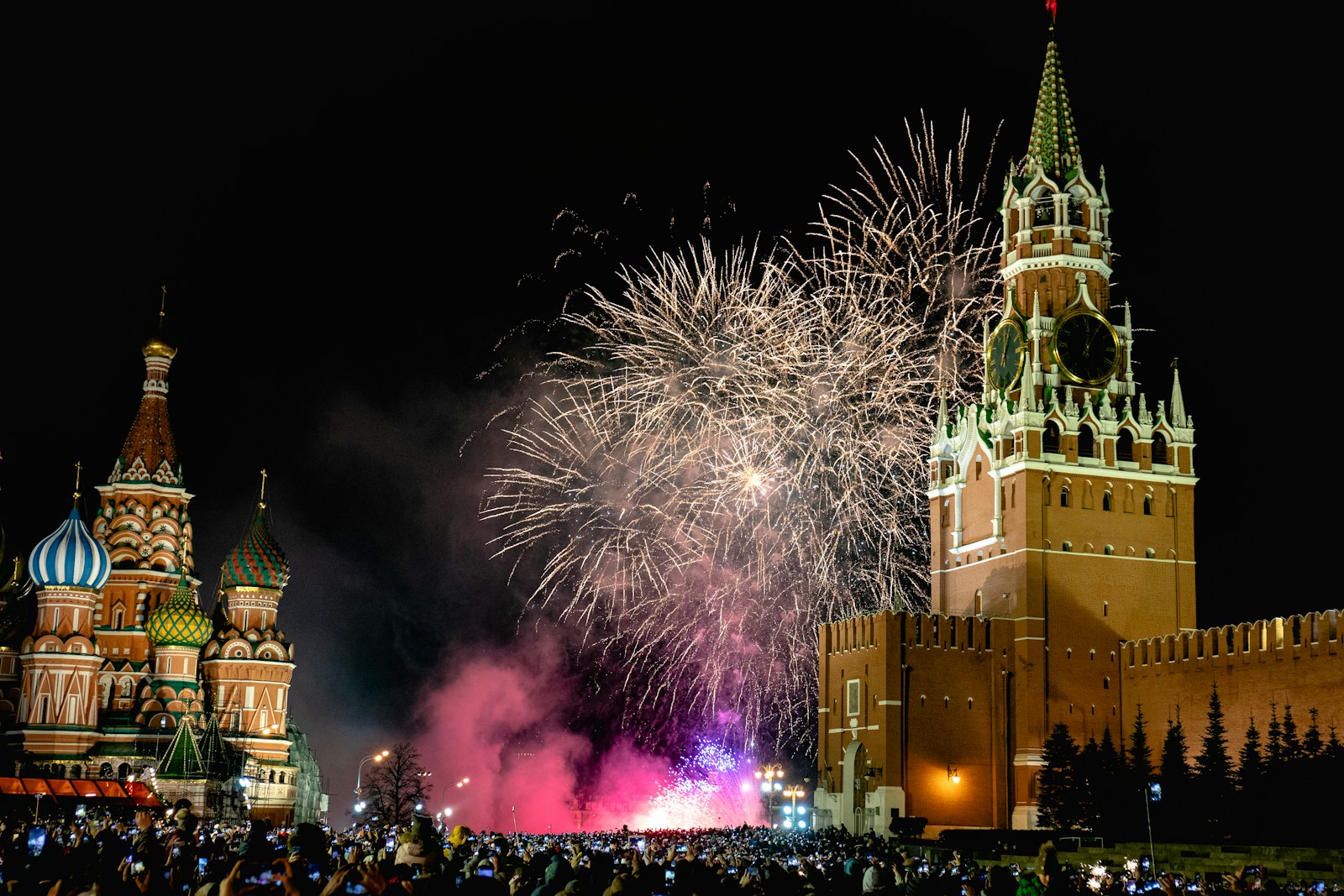
In the lead-up to the holidays, Moscow has transformed into a winter wonderland, with a staggering budget of 10.7 million rubles allocated for decorations. This lavish spending has become the norm for the capital, leaving other cities feeling somewhat neglected. For instance, videos circulating online highlight the glaring differences in festive displays, with some regions showcasing bare trees and minimalistic setups that stand in stark contrast to Moscow’s vibrant streets.
In Yaroslavl, one video featured an “art object” that drew comparisons to a clothes dryer, prompting comments like, “A monument to the snowdrift, clearly. We’ve been without snow for two years,” reflecting the local sentiment. Meanwhile, Ivanteyevka’s lack of festive lights led to sarcastic remarks about its decorations being a form of luxurious minimalism. The capital’s extravagant displays, including towering Christmas trees adorned with thousands of lights and elaborate light shows, create a stark contrast to the sparse decorations in many smaller towns.
The Economic Disparity
The financial gap is not just about holiday decorations; it reflects broader economic disparities. Moscow, as the capital, attracts a significant portion of the national budget, which allows for such extravagant spending. In contrast, many regions struggle with limited budgets, often prioritizing essential services over festive adornments. For example, while Moscow invests heavily in holiday festivities, regions like Kaluga and Tver report spending less than 1 million rubles on their decorations, leading to a sense of frustration among residents who feel their contributions to the economy are overlooked.
The Regional Response 🌍
As social media buzzes with these comparisons, residents from various regions are sharing their own experiences. In Rossosh, for example, the few garlands hung on trees have prompted jokes like, “This isn’t Rossosh; it’s Roscoast,” highlighting the irony of their sparse decorations. Smaller towns often lack even the basic festive adornments, leading to feelings of disappointment and overlooked charm.
The disparity in holiday decorations has sparked a broader discussion about regional pride and the need for more equitable treatment across the country. Many believe that the festive spirit should be shared and celebrated in all corners of Russia, not just in the capital. This sentiment is echoed in the comments of residents from regions like Chuvashia and Mari El, who express a desire for their unique traditions to be recognized and celebrated alongside Moscow’s grandeur.
Cultural Insights
The New Year celebration in Russia is deeply rooted in cultural traditions, with each region having its own unique customs. For instance, in Siberia, families often celebrate with traditional foods like Olivier salad and herring under a fur coat, while in the Volga region, the New Year is marked by folk songs and dances. However, the overshadowing of these rich traditions by Moscow’s spectacle raises questions about cultural identity and representation.
Quick Takeaways 📌
- Moscow’s extravagant holiday budget contrasts sharply with regional spending.
- Social media highlights the differences in festive decorations.
- Smaller cities express feelings of neglect and underappreciation.
- The economic disparity reflects broader issues of regional equity.
- Unique regional traditions deserve recognition and celebration.
FAQ ❔
Why do regions feel overlooked during the New Year?
Many regions feel overshadowed by Moscow’s lavish celebrations, leading to a sense of neglect and disappointment in their own modest decorations. This feeling is compounded by the economic disparities that exist between the capital and other regions.
How do residents express their feelings about this disparity?
Residents share videos and photos on social media, comparing their local decorations with the extravagant displays in Moscow, often using humor to convey their sentiments. This digital dialogue fosters a sense of community among those who feel similarly overlooked.
What impact does this have on regional pride?
The stark contrast in holiday celebrations can diminish regional pride, as residents feel their local culture and festivities are not valued or recognized compared to the capital’s grandeur. This can lead to a longing for greater acknowledgment of their unique traditions and contributions.
Are there any initiatives to address this disparity?
Some regional governments are beginning to recognize the importance of festive spirit and are allocating more funds to improve holiday decorations and celebrations. Additionally, grassroots movements are emerging, encouraging local artists and communities to collaborate on creating more vibrant holiday displays.
As the New Year approaches, the conversation around holiday decorations in Russia serves as a reminder of the cultural and economic divides that exist. While Moscow may shine bright with its extravagant displays, the heart of the holiday spirit should resonate throughout the entire country, celebrating the unique traditions and charm of every region. By fostering a sense of unity and appreciation for all Russian cultures, the New Year can truly become a time of joy and togetherness for everyone.