
Chernobyl's Legacy: How the Disaster Shaped a Generation
Explore how the Chernobyl disaster continues to impact lives across post-Soviet spaces, as reflected by Dmitry Zakharov's insights. Discover why it matters and
- BackZee
- 5 min read
TL;DR 🚀
Make sure to check our deep dive on why this matters.
- Chernobyl’s disaster marked a pivotal moment in history.
- Dmitry Zakharov reflects on its lasting effects on society.
- The tragedy continues to influence post-Soviet generations.
- The term “Chernobyl children” symbolizes a generation shaped by fear and resilience.
- Ongoing health concerns and cultural narratives remain deeply intertwined with the disaster’s legacy.
The Chernobyl disaster, which occurred forty years ago, is often seen as a catalyst for the dissolution of the Soviet Union. Dmitry Zakharov delves into how this catastrophic event has transformed lives and why its repercussions still resonate with those living in post-Soviet regions.
The Day That Changed Everything ⚡
On April 26, 1986, the world witnessed one of the most catastrophic nuclear accidents in history. For many, including Zakharov, this date is more than just a historical marker; it symbolizes a profound shift in societal consciousness. As a child, Zakharov recalls the innocence of his early years, unaware of the looming disaster. Life continued as normal, with May Day parades and school days filled with routine.
However, the aftermath of Chernobyl would soon infiltrate everyday conversations. Parents discussed the potential fallout, and the term “Chernobyl children” became a part of the lexicon, referring to those affected by the radiation. In schools, students learned about safety measures, such as taking iodine tablets during a radiation leak. For Zakharov, living in a closed nuclear city, these lessons felt surreal yet necessary. The reality of living near a reactor was a constant reminder of the disaster’s proximity.
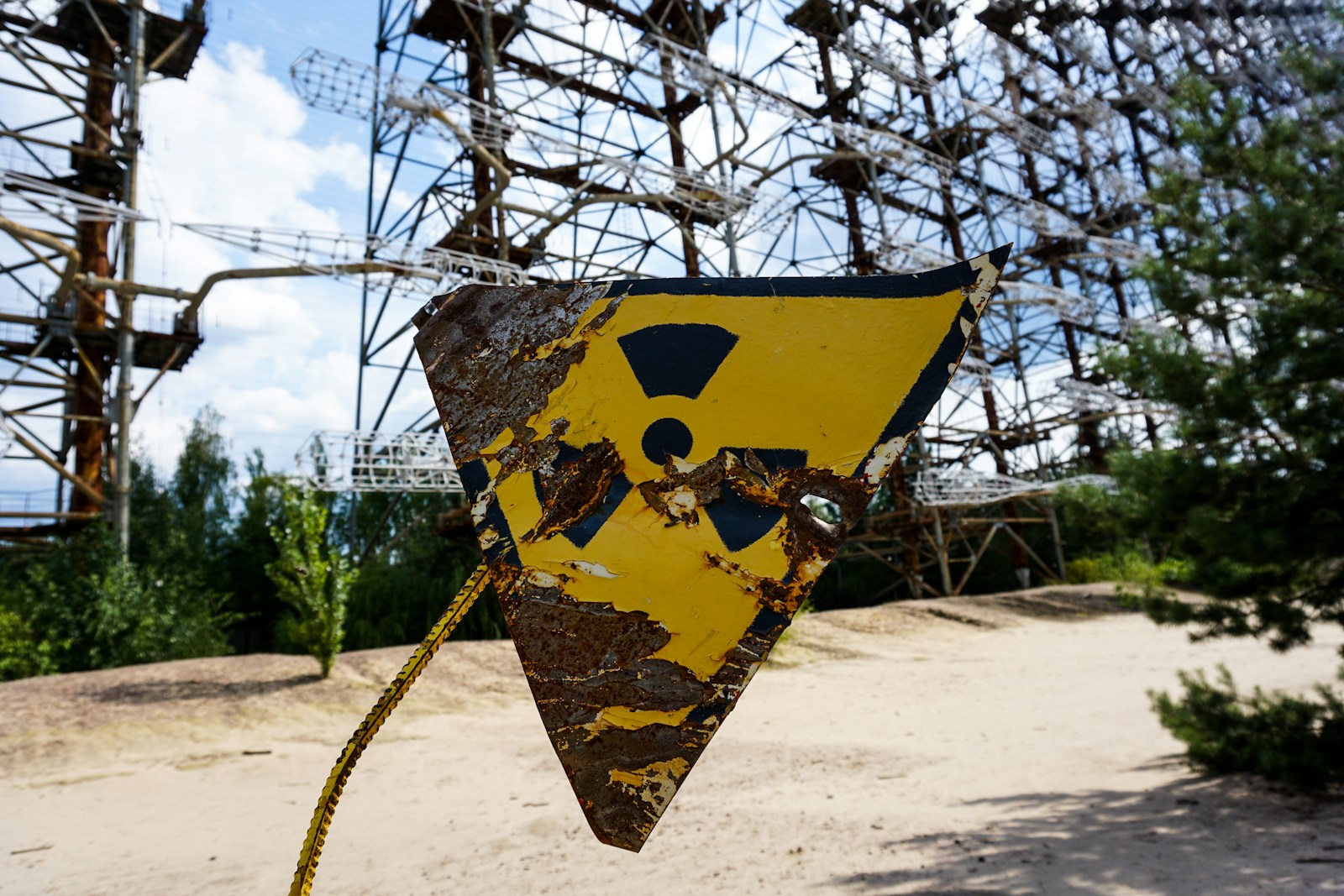
The explosion released approximately 400 times more radioactive material than the atomic bomb dropped on Hiroshima, leading to widespread contamination of air, soil, and water. The immediate area was evacuated, and the establishment of the Chernobyl Exclusion Zone became a stark reminder of the disaster’s severity. This zone, which spans about 1,000 square miles, remains largely uninhabited, serving as a haunting testament to the catastrophe.
The Ripple Effects of a Catastrophe 🌊
Chernobyl was not just a singular event; it marked the beginning of a prolonged crisis. The explosion and immediate destruction were only the starting point of a much larger tragedy. Zakharov emphasizes that the consequences of Chernobyl extend beyond the physical destruction. It has instilled a sense of pervasive anxiety and uncertainty among those who grew up in its shadow.
The disaster has also influenced cultural narratives and identity in post-Soviet societies. The term “Chernobyl children” encapsulates a generation that has lived with the stigma and fear associated with radiation. This collective memory shapes their worldview, impacting everything from health perceptions to environmental policies. For instance, a 2016 study indicated that nearly 60% of people in Ukraine still express concerns about the long-term health effects of radiation exposure, reflecting the deep-seated anxiety that persists decades later.
Moreover, the disaster has permeated art and literature, inspiring works that explore themes of loss, survival, and the human condition. Films like “Chernobyl” (2019) and documentaries such as “The Russian Woodpecker” (2015) delve into the psychological and societal impacts of the disaster, illustrating how it continues to resonate in contemporary culture. For more insights on how such events shape cultural identity, check out our post on /posts/cultural-identity-and-disasters.
Quick Takeaways 📌
- The Chernobyl disaster occurred on April 26, 1986.
- It has lasting effects on health and societal perceptions.
- The term “Chernobyl children” represents those impacted by the fallout.
- The Chernobyl Exclusion Zone remains a powerful symbol of the disaster’s consequences.
- Cultural narratives surrounding Chernobyl continue to evolve, reflecting ongoing societal concerns.
FAQ ❔
What were the immediate effects of the Chernobyl disaster?
The immediate effects included a massive release of radioactive materials, leading to acute radiation sickness among workers and first responders. The surrounding areas were evacuated, and a large exclusion zone was established to prevent further exposure. Approximately 49,000 people were evacuated from Pripyat, the nearest town, within 36 hours of the explosion.
How has Chernobyl influenced modern society?
Chernobyl has profoundly influenced public health policies, environmental regulations, and cultural narratives about nuclear energy. It serves as a cautionary tale about the risks associated with nuclear power and the importance of safety measures. The disaster prompted the establishment of the International Atomic Energy Agency’s (IAEA) safety standards, which are now used globally to ensure nuclear safety.
Are there ongoing health concerns related to Chernobyl?
Yes, many studies continue to monitor the health of those exposed to radiation from Chernobyl. Issues such as thyroid cancer and other health problems have been linked to the disaster, affecting not only those in Ukraine but also neighboring countries. The World Health Organization (WHO) estimates that up to 4,000 people could eventually die from radiation exposure among the higher-exposed groups, including emergency workers and residents of the most contaminated areas.
How has Chernobyl affected the perception of nuclear energy?
Chernobyl has significantly altered public perception of nuclear energy, leading to increased skepticism and fear. Many countries re-evaluated their nuclear energy policies, with some opting to phase out nuclear power altogether. In Germany, for instance, the government decided to accelerate its transition to renewable energy sources following the disaster, a move that has been dubbed the “Energiewende.”
Chernobyl’s legacy is a complex tapestry woven from tragedy, resilience, and ongoing societal change. As we reflect on its impact, it’s crucial to understand how such events shape our collective consciousness and inform our future. The lessons learned from Chernobyl continue to resonate, reminding us of the delicate balance between technological advancement and human safety.