
Revolutionizing Raves: The Deaf Community Takes Center Stage
Discover how a rave organizer is transforming nightlife for the deaf community, overcoming skepticism and creating inclusive experiences. Discover why it matter
- BackZee
- 5 min read
TL;DR 🚀
Make sure to check our deep dive on why this matters.
- A rave organizer is breaking barriers for the deaf community.
- Initial skepticism from clubs turned into support for inclusive events.
- Unique sensory experiences are redefining nightlife.
- The movement is inspiring cities worldwide to adopt similar inclusive practices.
- Raves for the deaf promote community, belonging, and cultural engagement.
In a groundbreaking move, a rave organizer has set out to create vibrant nightlife experiences specifically for the deaf community. Initially met with skepticism, this innovative approach is reshaping how we think about inclusivity in nightlife. The idea is not just about throwing parties; it’s about creating a cultural shift that embraces diversity in all its forms.
Breaking the Sound Barrier 🎶
When the idea of hosting raves for the deaf was first pitched, many clubs dismissed it as a joke. The concept of a silent rave seemed foreign to those accustomed to the loud beats and pulsating rhythms that define traditional nightlife. However, the organizer was determined to prove that music and dance can transcend sound.
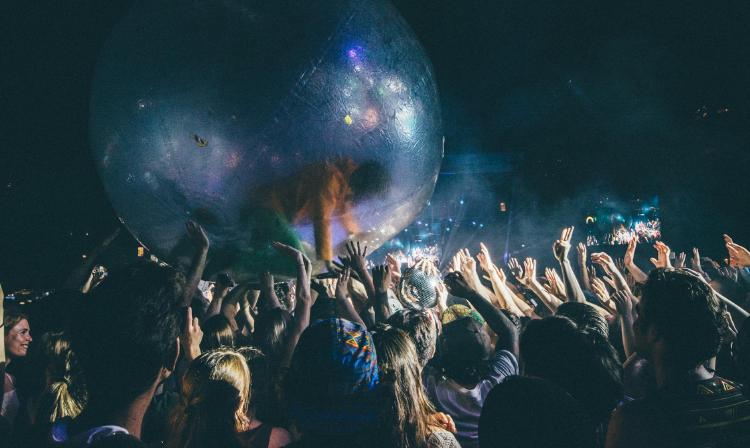
By incorporating visual elements like vibrant light shows and tactile experiences, these raves offer a unique way for deaf attendees to engage with music. The use of vibration technology, such as subwoofers that transmit low-frequency vibrations through the floor, allows participants to feel the music through their bodies, creating an immersive experience that is both exhilarating and inclusive. For instance, at a recent event, attendees reported feeling the bass reverberate through their feet, allowing them to connect with the rhythm in a way that was entirely new.
Why Inclusivity Matters
The deaf community has long been underrepresented in the nightlife scene. According to the World Health Organization, over 5% of the world’s population experiences disabling hearing loss, which translates to approximately 466 million people. By creating spaces where they can enjoy music and dance, this organizer is not only providing entertainment but also fostering a sense of belonging. Inclusivity in nightlife is essential for building diverse communities and ensuring everyone can participate in cultural experiences.
Moreover, the cultural significance of nightlife cannot be overstated. It serves as a space for socialization, self-expression, and community building. By including the deaf community in these experiences, we enrich the cultural tapestry of nightlife, allowing for a broader range of voices and stories to be shared.
Overcoming Challenges 💪
Despite the initial pushback, the rave organizer persisted, reaching out to clubs and venues to explain the vision behind these events. Gradually, more venues began to understand the potential for inclusive nightlife and the positive impact it could have on their communities. The organizer also collaborated with local deaf advocacy groups to ensure that the events were designed with the needs and preferences of the deaf community in mind.
The success of these raves has led to increased interest from other cities, with plans to expand the concept beyond the initial location. This movement is not just about parties; it’s about changing perceptions and encouraging other organizers to think outside the box when it comes to inclusivity. For example, cities like San Francisco and London are now exploring similar initiatives, inspired by the success of these raves.
Quick Takeaways 📌
- The organizer faced skepticism but remained committed to the vision.
- Raves for the deaf utilize light and vibration to create a unique experience.
- The initiative is gaining traction and inspiring similar events elsewhere.
- Collaborations with advocacy groups ensure the events meet community needs.
- The movement is expanding to other cities, promoting a global shift towards inclusivity.
FAQ ❔
What inspired the idea of raves for the deaf?
The organizer wanted to create a space where the deaf community could enjoy music and dance, feeling included in the nightlife scene that often overlooks them. The inspiration came from observing how other sensory experiences, like visual art and tactile installations, can evoke emotions and foster connection.
How do these raves work without sound?
Instead of relying on sound, these raves use visuals and vibrations to create an engaging experience. Attendees can feel the music through vibrations and enjoy stunning light displays. Additionally, some events incorporate ASL interpreters and visual storytelling to enhance the experience further.
Are these events only for the deaf community?
While primarily designed for the deaf, these raves are open to everyone, promoting a message of inclusivity and shared experiences in nightlife. This approach encourages hearing individuals to engage with the deaf community, fostering understanding and empathy.
What kind of technology is used to enhance the experience?
The raves utilize a combination of vibration technology, LED light shows, and visual art installations. Some events even feature wearable devices that allow attendees to feel the music more acutely, enhancing the overall experience.
How can other cities implement similar initiatives?
Cities interested in adopting this model can start by collaborating with local deaf advocacy groups, exploring venues that are willing to experiment with inclusive events, and investing in technology that enhances sensory experiences. Education and awareness campaigns can also help shift perceptions about the deaf community’s role in nightlife.
In conclusion, the rise of raves tailored for the deaf community marks a significant step towards a more inclusive nightlife. By embracing innovative approaches and overcoming initial doubts, this movement is set to redefine how we experience music and dance, proving that everyone deserves a place on the dance floor. As more cities look to adopt this model, the future of nightlife is looking brighter and more inclusive than ever. By continuing to challenge norms and advocate for inclusivity, we can ensure that nightlife becomes a space where all voices are heard and celebrated.